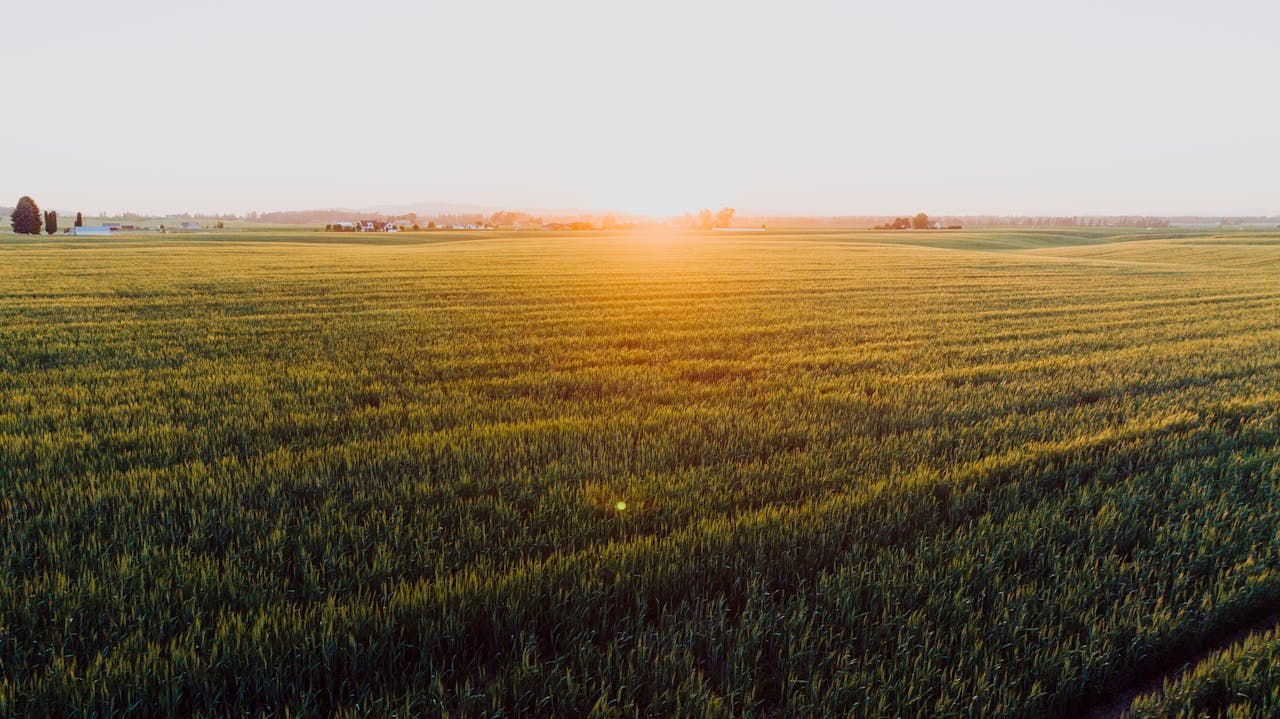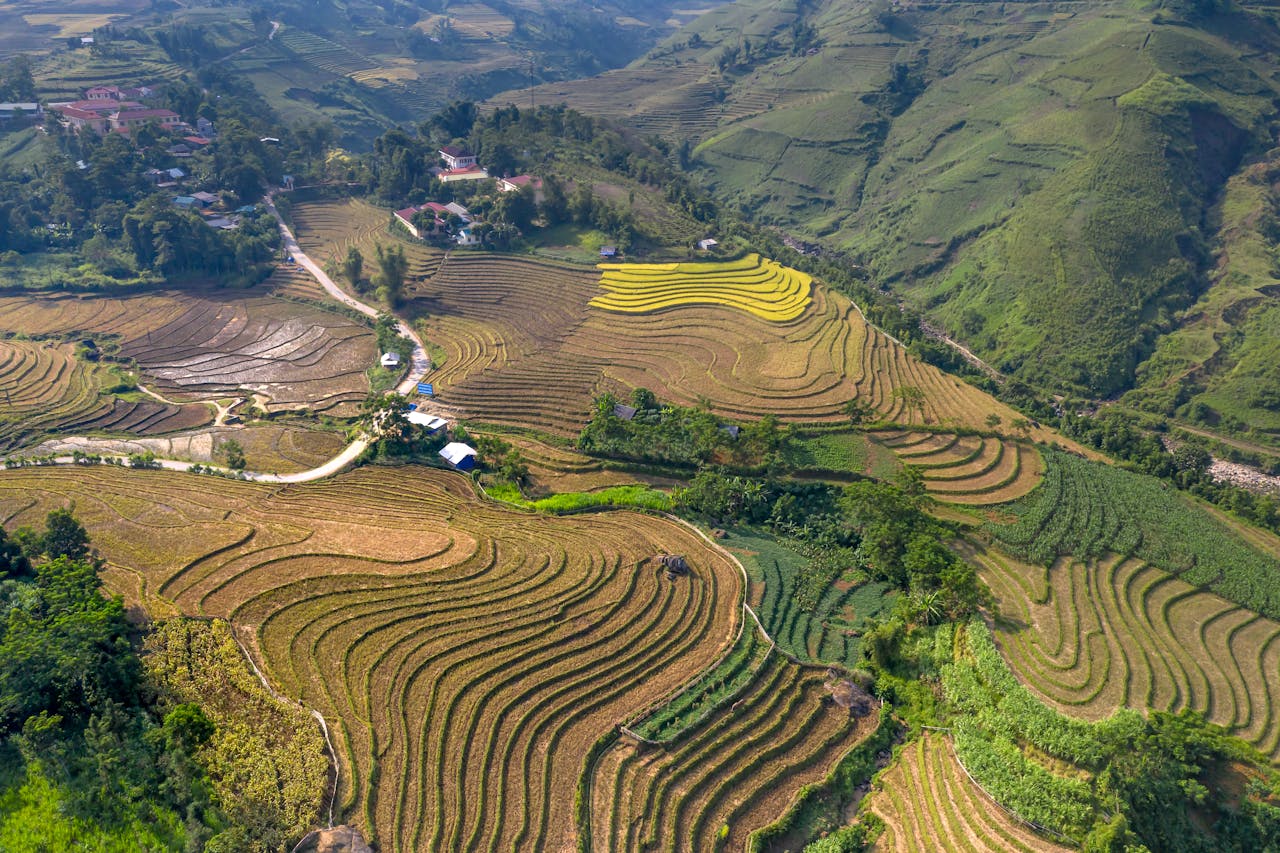
In recent years, agroecology has gained attention for offering sustainable, socially-aware approaches to farming. These movements highlight soil health, biodiversity, water conservation, and community-based agriculture. While valuable, many of these approaches remain focused on technique and human-centered frameworks.
What often gets overlooked is the spiritual dimension of our relationship with the natural world.
Islam encourages contemplation of creation. The Qur’an invites believers to reflect on the signs in the heavens and the earth, reminding us that nature is not merely a resource but a trust — an amanah.
Islamic Agroecology emerges from this worldview. It recognizes that ecological balance is intimately linked with spiritual balance. Sustainable farming is not only about methods; it is about honoring the One who created the land, the seeds, the rain, and the systems that sustain life.
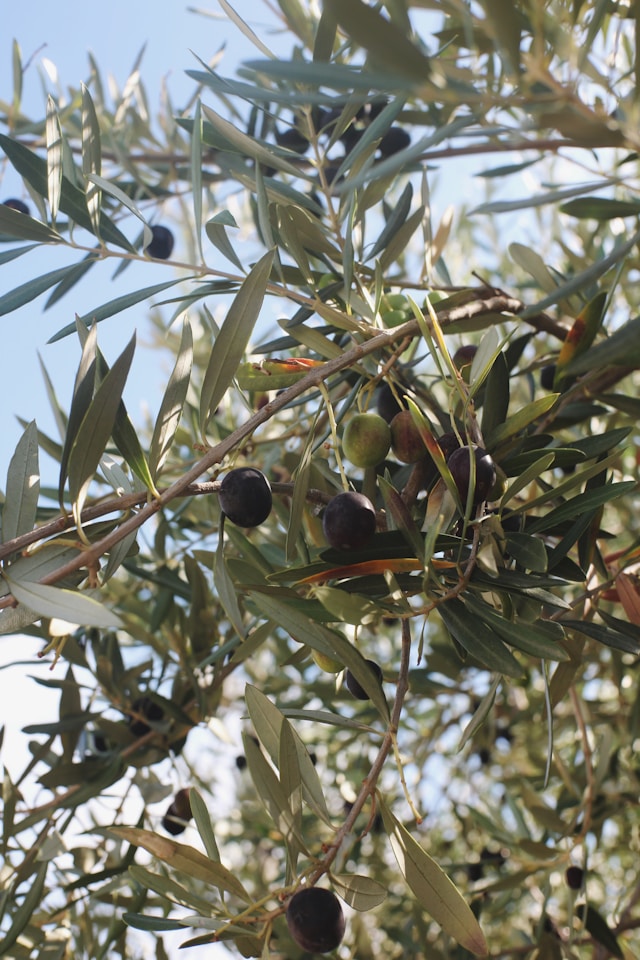
This perspective reframes agriculture as an act of stewardship. It helps us see planting, harvesting, and caring for the soil as meaningful acts rooted in gratitude, responsibility, and ethical conduct. It also reminds us that justice — toward the land, toward people, and toward future generations — is at the core of our work.
Islamic Agroecology fills the gap left by purely technical movements. It reconnects us to the spiritual truths embedded in the natural world and helps us cultivate food in a way that honors both creation and the Creator.