نقابة الزراعة الإسلامية البيئية
Niqābat al-Zirā‘ah al-Islāmiyyah al-Bī’iyyah
The Islamic Ecological Agriculture Guild
إحياء لروح الفتوة في فلاحة الأرض
Ihyā’ li-Rūḥ al-Futuwwah fī Filāḥat al-Arḍ
Reviving the Spirit of Futuwwa in the Cultivation of the Land
The long and rich history of Islamic civilization derived its enduring strength not from isolated individuals but from the powerful, collaborative spirit of its communities. Professions were organized into guilds—brotherhoods bound by a dual-layered ethical framework. This framework combined the internal spiritual code of الفُتُوَّة futuwwa (a chivalric ethic of generosity, honor, and selflessness) with the external social principle of الحِسْبة hisba (the duty to enjoin good and forbid wrong in the marketplace, ensuring justice and quality). These guilds were not merely trade unions but spiritual fellowships that infused commerce with divine consciousness, ensuring one’s work was a form of worship and service. Today, within the critical realm of agriculture and other fields, we have lost this connective tissue. Without a dedicated initiative to weave it back together, ecological farmers striving to work the land in accordance with Islamic principles remain tragically disconnected in solitary silos, their potential for collective impact untapped. It is precisely to revive this integrated spirit of faith and practice that the launch of the Islamic Agroecology Network is not just beneficial but essential.
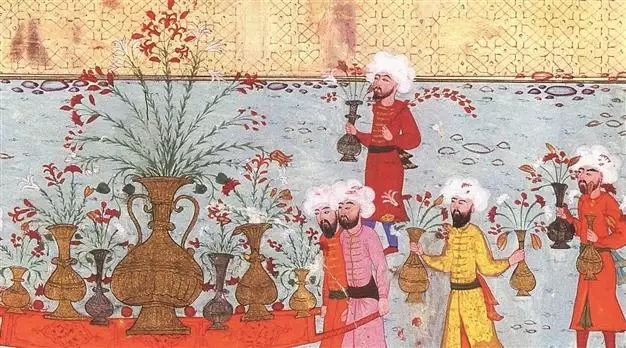
Agriculture is perhaps the most emblematic profession through which Allah’s artistry and unison are expressed. The Quran consistently directs us to reflect upon the earth, the seeds, and the rain as profound signs. To manage the soil is to engage in a continuous dialogue with creation. Yet, when farmers perform this sacred duty in isolation, they struggle against systemic challenges alone—from market pressures to climatic shifts. The power of our civilization was in its ability to organize, and by recreating a guild for the modern ecological farmer, we provide a vessel for that collective spirit. This network is the practical means to reactivate the communal model, transforming individual struggle into a shared journey of support and knowledge exchange, much like the Ahi traditions of Anatolia that balanced vocational excellence with spiritual refinement.

Furthermore, the urgency of this network is inextricably linked to social justice and food sovereignty. The Islamic doctrine of agricultural zakat, one of the earliest and most sophisticated systems of welfare, provides a real-world solution to hunger by directly linking surplus to need, rewarding farmers while ensuring community food security. As noted in classical fiqh and modern analyses of Islamic social finance, this system only functions within a recognized and interconnected community. A disconnected farmer cannot efficiently channel surplus, and a disconnected community cannot identify its hungry.
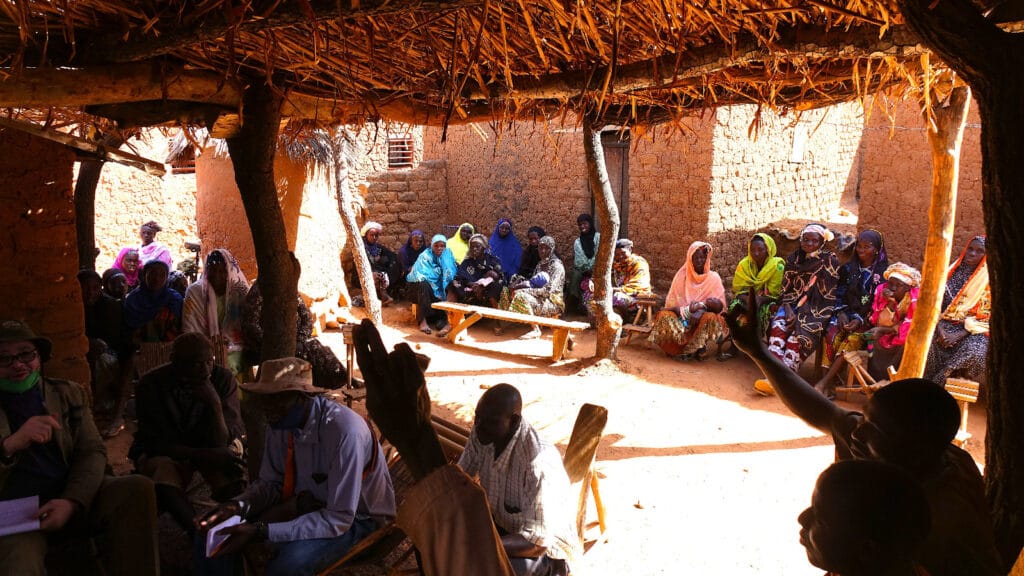
By building this network, we are not only fostering collaboration but laying the groundwork for a resilient, just, and sovereign food system based on our own theological principles. It is a move from abstract ideals to applied solutions, allowing us to practice the social justice enjoined in the Quran and by scholars, who argue that Islam’s economic principles are built on mutual responsibility. Ultimately, this network is the missing link that allows the vision of Islamic agroecology to become a lived reality, reknitting the bonds of community that make faith, food, and justice inseparable.